Cloudion
Cloudion
Cloudion
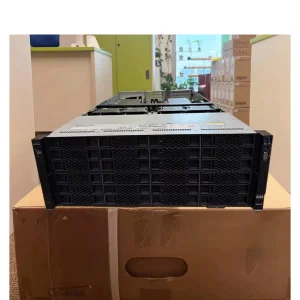
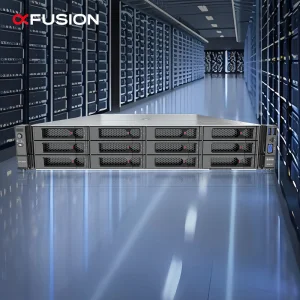
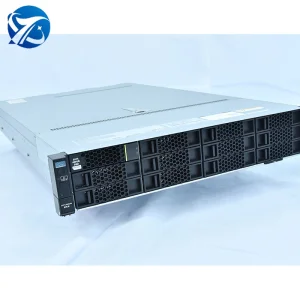
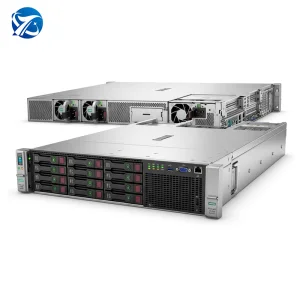
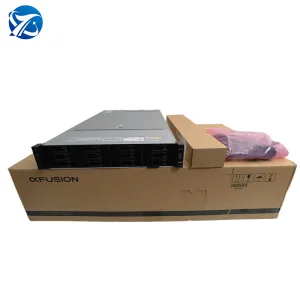
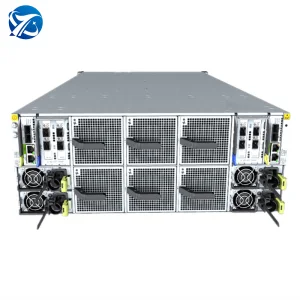
As high-performance computing (HPC) and artificial intelligence (AI) models expand exponentially, modern datacenter infrastructures face unprecedented power challenges. Standard distribution architectures no longer suffice for advanced hardware arrays utilizing systems like xFusion FusionServer or HPE ProLiant Gen11 clusters.
Artificial intelligence workloads have driven cabinet power densities from traditional limits of 5kW–10kW up to 40kW–100kW per rack. Power Distribution Units (PDUs) must deliver high-amperage 3-phase power directly to the rack level with minimal distribution loss.
Real-time active monitoring, auto-reboot thresholds, and branch-level metering are essential for preventing circuit overloads. Modern intelligent PDUs (iPDUs) isolate anomalies before they trigger critical system downs.
Suppliers and exporters of certified PDU solutions must adhere to strict IEC, UL, and CE standards to support Power Usage Effectiveness (PUE) optimizations in modern enterprise data centers globally.
Under the global brand CloudionAI (https://cloudionai.com), Cloudion AI Systems Ltd stands as a high-performance AI GPU server manufacturer dedicated to delivering next-generation computing infrastructure for intensive global AI workloads.
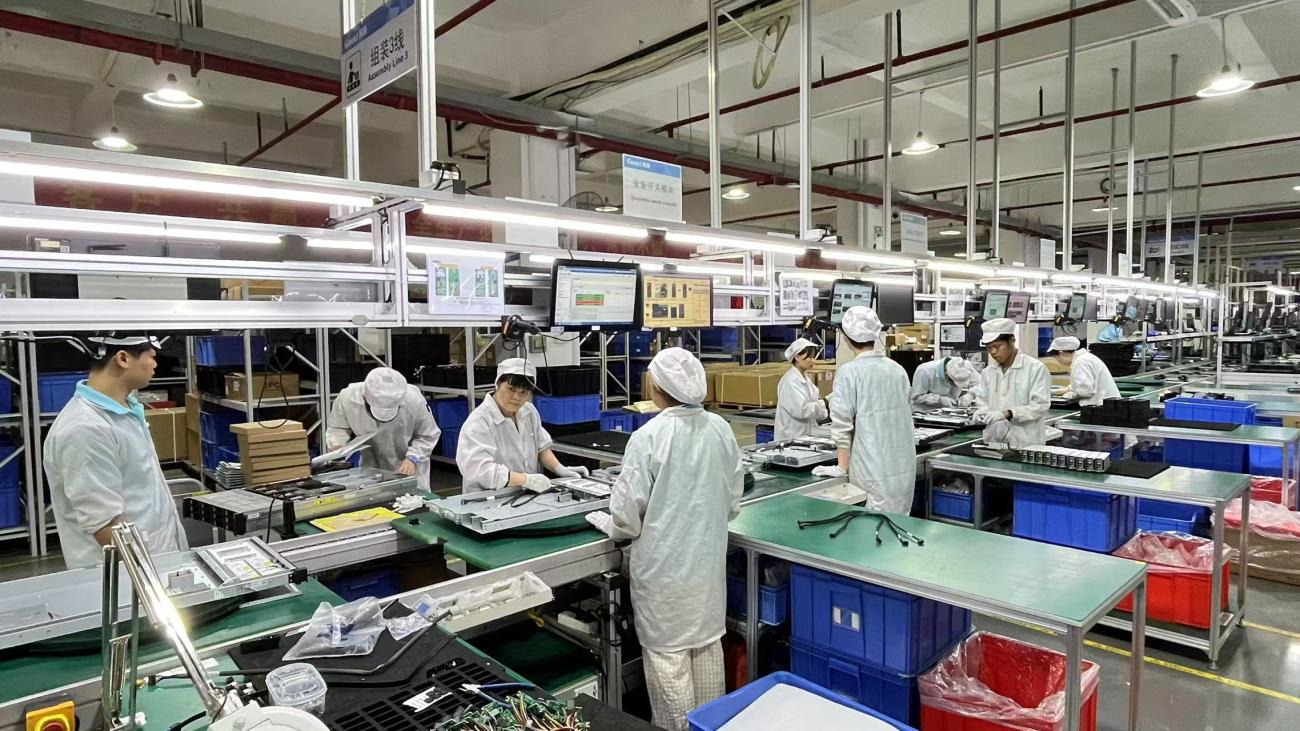
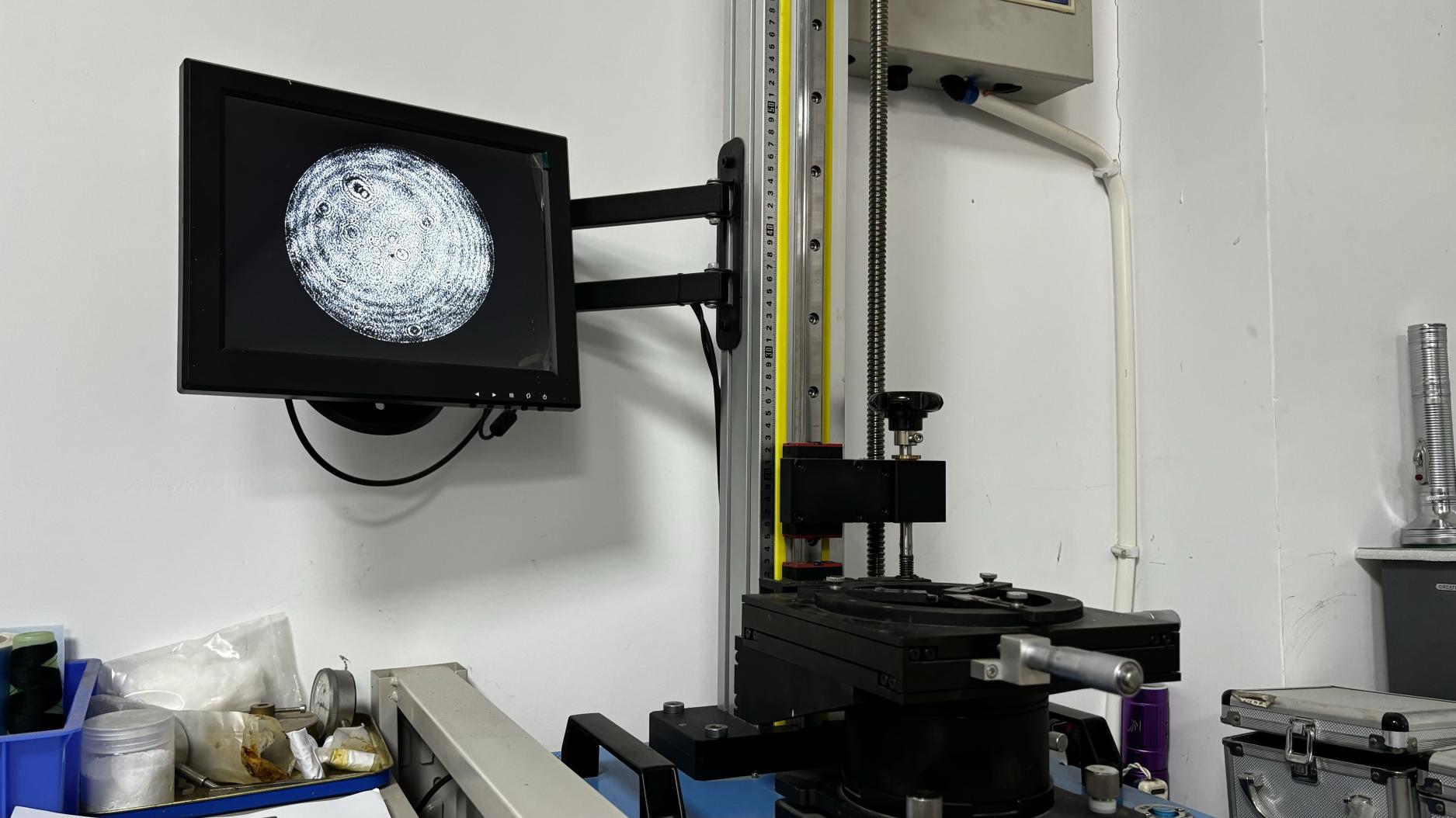
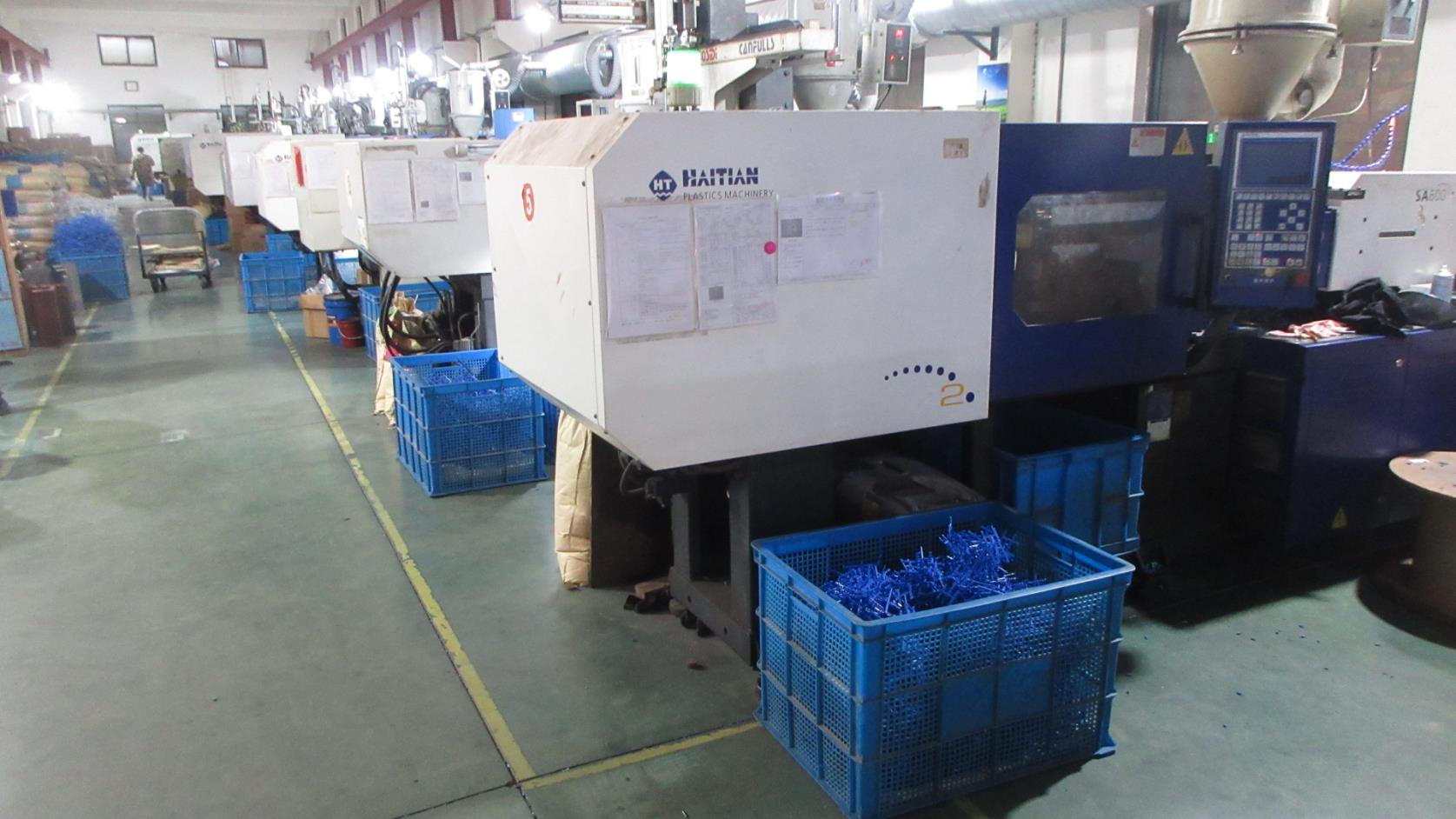
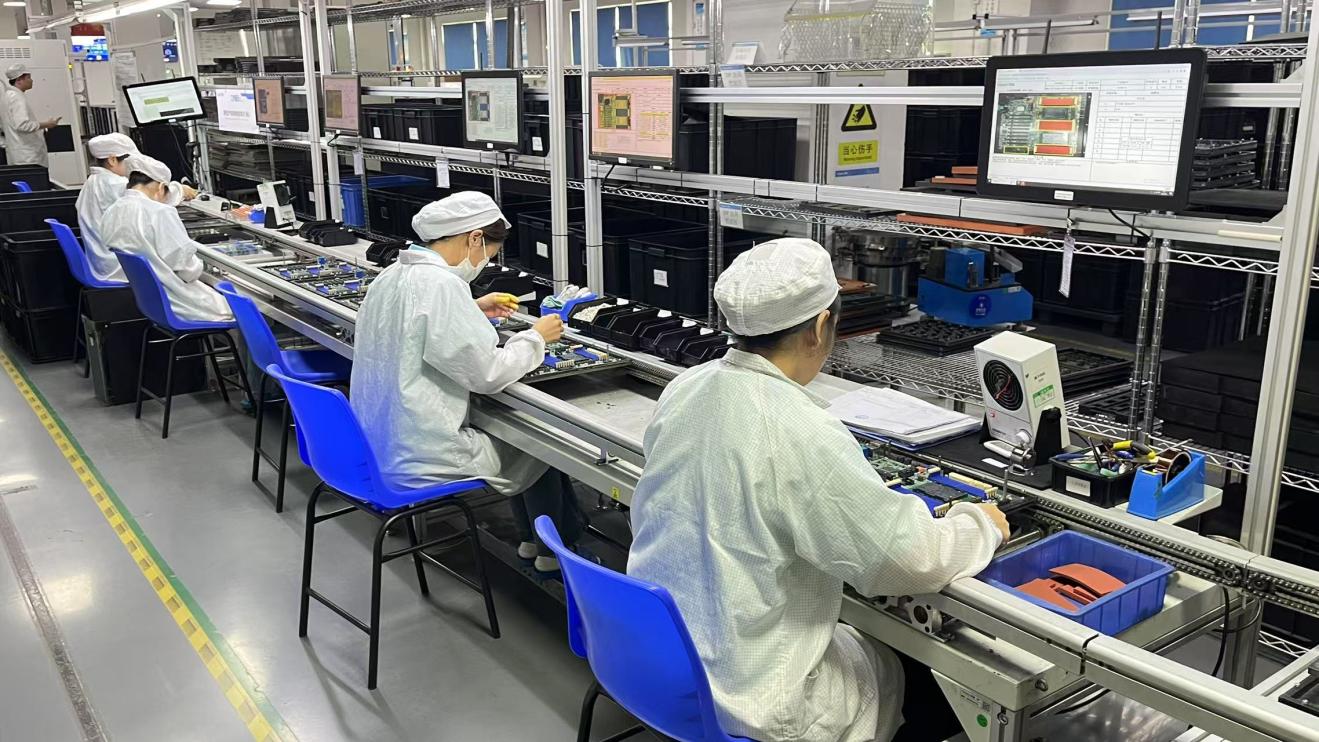
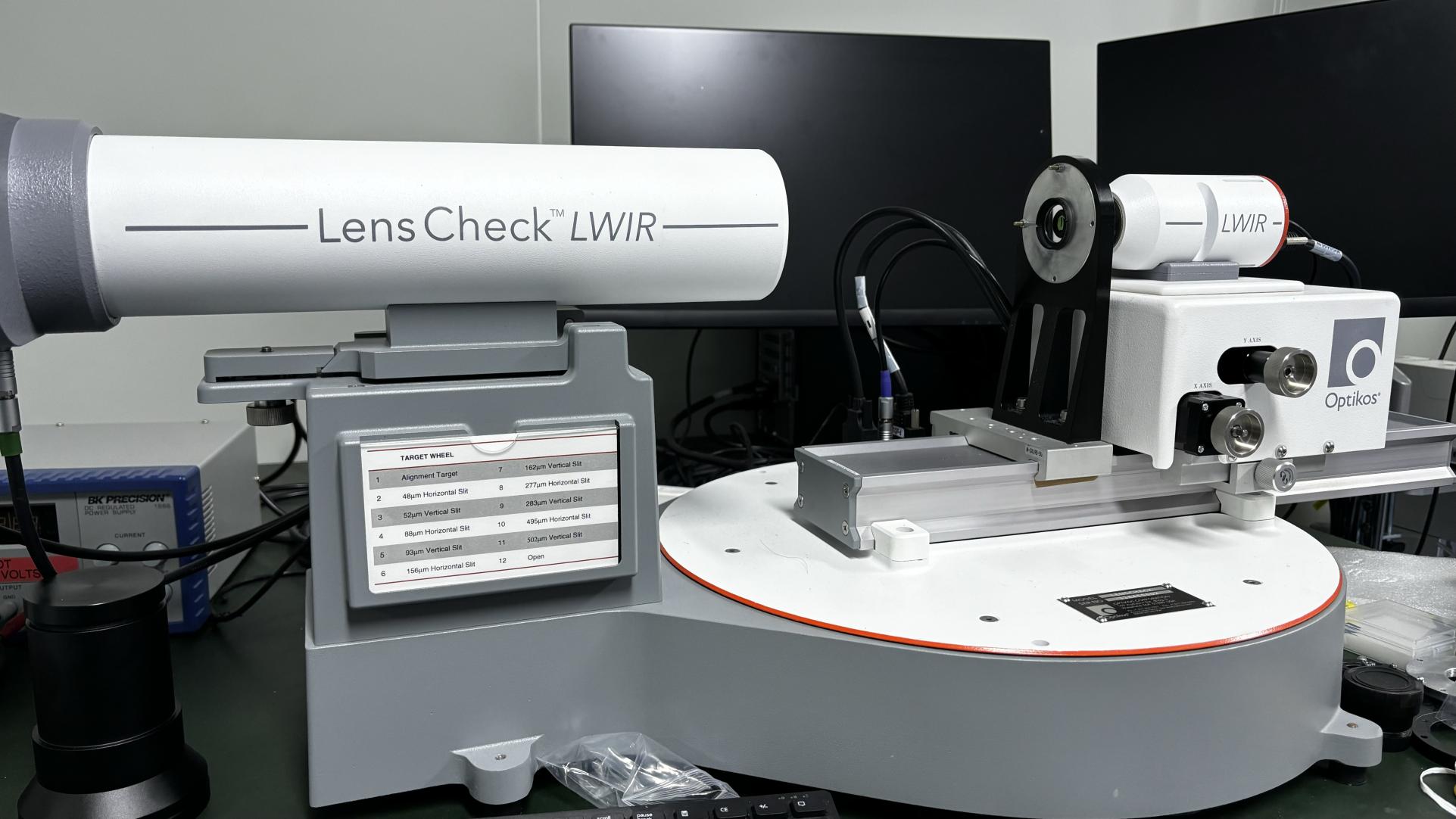
Founded in 2016, our expertise has evolved beyond server manufacturing into complete rack integration, optimization of high-density cooling systems, and specialized power distribution design. Our operations are supported by a state-of-the-art 18,600㎡ manufacturing facility equipped with advanced assembly lines, automated optical inspection (AOI), thermal stress testing, and multi-stage load validation systems.
To support the high-current demands of modern GPU microarchitectures, datacenters are rapidly shifting their step-down transformers closer to the motherboard. Traditional 12V backplanes are giving way to 48V DC busbars. Our current hardware pipeline aligns with this paradigm shift, optimizing the step-down efficiency from industrial PDU units directly to internal server power supplies.
As TDP limits approach 1000W per accelerator chip, liquid cooling represents the ultimate frontier. This shift requires PDUs that are completely sealed against environmental moisture and designed to fit side-by-side with fluid distribution manifolds inside restricted rack parameters.
Whether engineering configurations for standalone rack mounts, local hybrid cloud structures, or tier-4 hyperscale facilities, the stability of PDU systems ensures high uptime. A holistic engineering philosophy requires looking at the raw specifications of power distribution and its direct integration with high-density server rack space.
Get expert insights into the common integration challenges associated with high-density rack PDUs and AI server infrastructure.
Basic PDUs deliver reliable, unmonitored power distribution to multiple outlets. Metered PDUs add local display interfaces to track current draw and prevent circuit overloads. Switched PDUs offer all the features of metered models, with the added capability of remote control for individual outlets. This enables network administrators to perform remote power cycles, schedule power sequences, and disable unused ports.
3-Phase power configurations provide higher capacity and more balanced electricity delivery compared to single-phase setups. By utilizing three alternating currents, it reduces copper requirements, matches high-amperage needs, and distributes loads evenly. This ensures that enterprise servers operate under balanced phases, minimizing phase imbalance and protecting systems from unnecessary downtime.
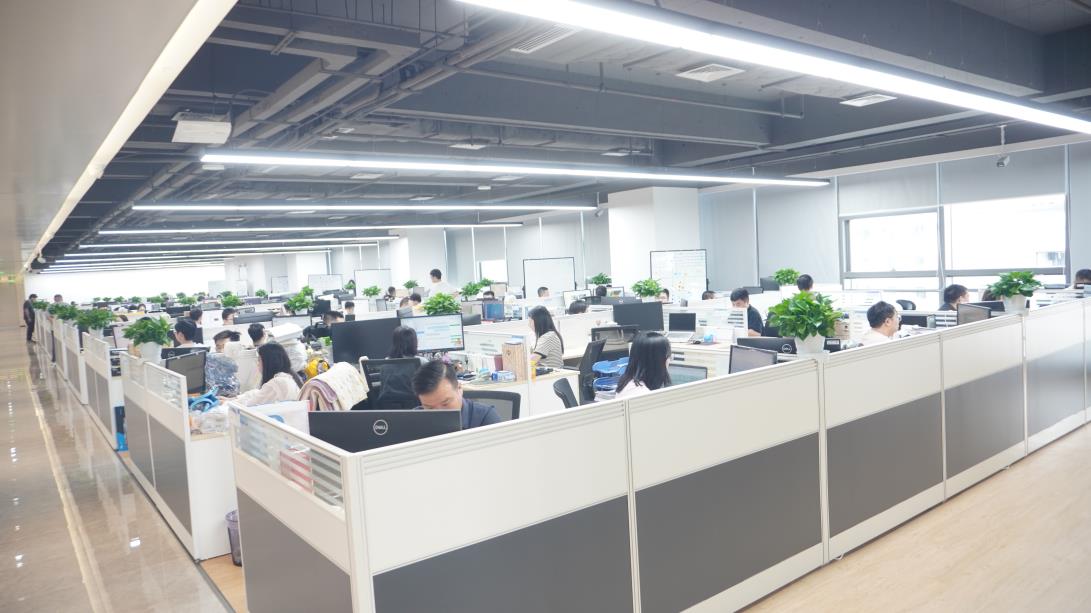
Our engineering team works closely with systems integrators to customize chassis shapes, PDU input connections, and redundancy architectures. With over 320 R&D engineers, we optimize our server power supply units (PSUs) to align with standard power outputs (such as IEC C13/C19/C21 sockets). This integration minimizes step-down losses and enhances thermal performance within high-density rack systems.
Every system undergoes strict ISO-based testing processes, including hardware-in-the-loop validation, continuous high-temperature chamber burn-in, and automated optical inspections. With 48 dedicated QC inspectors, we ensure all components operate reliably under extreme loads and thermal stresses. This strict QA pipeline guarantees robust and stable power distribution for critical enterprise applications.
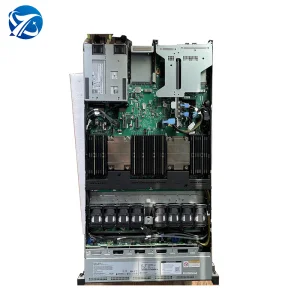
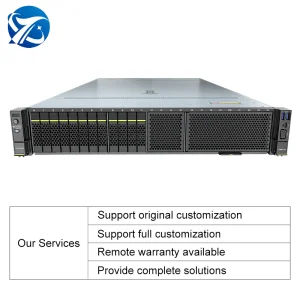
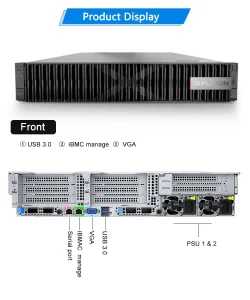
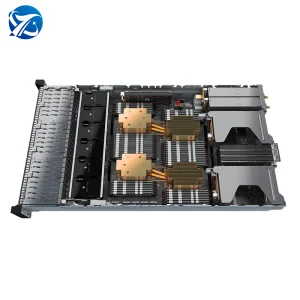
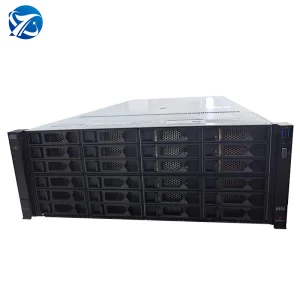
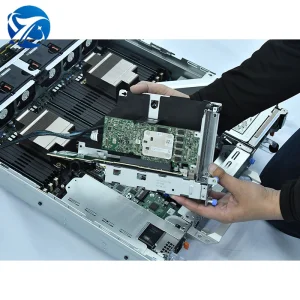
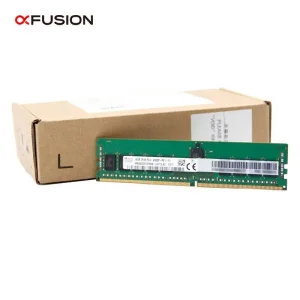
Our 18,600㎡ modern manufacturing facility in China utilizes precision assembly workflows, advanced reliability validation tools, and specialized thermal stress testing configurations to ensure our systems deliver robust performance for demanding enterprise applications.